
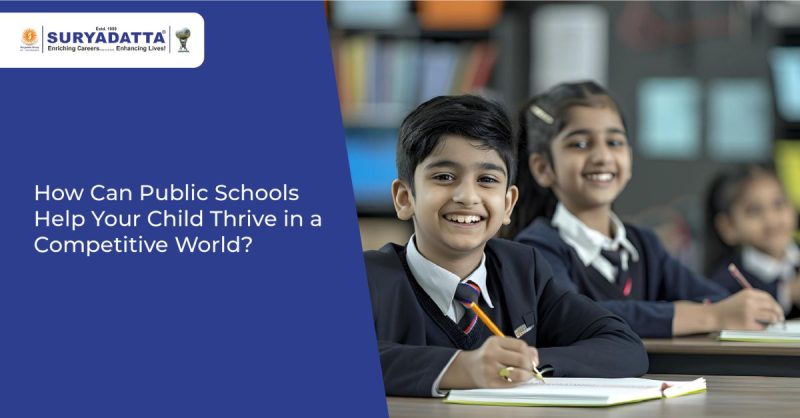
Public schools play a vital role in shaping children for a fast-changing world. They offer structured learning, trained educators, and equal access to strong academic foundations. Today’s competitive environment demands skills, discipline, and adaptability. Public schools help build these traits early.
As education becomes more dynamic, parents look for environments that support academic, social, and emotional growth. Public schools combine affordability, accessibility, and well-defined systems. This makes them reliable spaces where children can learn, grow, and prepare for future challenges.
Public Schools and strong foundational academics
Public schools emphasise core academic learning. Their curriculum follows national or regional education boards, ensuring consistency and quality. Students develop strong reading, writing, and analytical skills.
Teachers in public schools are trained to follow structured lesson plans. This maintains academic discipline and clarity. Regular assessments help identify gaps early. It also encourages students to stay focused throughout the year.
Foundational learning in public schools equips children with essential knowledge. These academic basics support higher education, competitive exams, and skill-based courses later in life.
Public Schools offering holistic extracurricular growth
Public schools do not focus only on textbooks. They also promote extracurricular activities that enrich children’s lives. Sports, arts, music, debates, and cultural programs help students explore their interests.
These activities build confidence, teamwork, and leadership. Children learn to stay active and express themselves better. Schools often organise inter-school competitions that test both discipline and creativity.
Holistic development plays a major role in preparing students for real-world challenges. Public schools encourage children to balance academics with physical, creative, and social growth.
Equal access to opportunities
Public schools offer equal learning opportunities to all students. This creates an inclusive environment where children from different backgrounds can grow together. Diversity builds empathy, respect, and strong communication skills.
Financial barriers are lower compared to private institutions. This allows more families to access quality education. Many public schools also provide scholarships, support programs, and learning resources for students who need extra help.
Equal access ensures that every child, regardless of background, gets the chance to thrive academically and socially.
Technology to boost learning
Modern public schools are adopting technology to improve learning outcomes. Digital classrooms, audio-visual tools, and e-learning platforms make lessons interactive. Students engage better when concepts are visually explained.
Online assignments and digital tests help teachers track progress. Technology also supports personalised learning, as students can revisit topics at their own pace.
Schools that integrate technology prepare children for a digital future. It helps them understand tools that are essential in higher education and workplaces.
Public Schools fostering social and emotional development
Academic success alone is not enough for a competitive world. Children need social and emotional strength to handle pressure and change. Public schools provide structured environments where students interact daily.
Through group activities, discussions, and collaborative projects, children learn empathy and cooperation. Teachers also guide them through challenges and behavioural issues. This builds resilience and emotional intelligence.
A child who feels emotionally supported becomes more confident and independent. Public schools play an active role in shaping these qualities.
Public Schools preparing students for real-world skills
Public schools help students develop essential life skills. They learn critical thinking, problem-solving, communication, and time management. Classroom activities and practical tasks sharpen these abilities.
Many public schools conduct career guidance sessions, skill training workshops, and awareness programs. These prepare students for the future job market.
Discipline and responsibility are also strong outcomes of public schooling. Students learn punctuality, accountability, and teamwork—skills that matter in every profession.
Strong parent-school partnerships
A child’s progress depends on strong support at home and school. Public schools encourage parent involvement through meetings, events, and communication channels.
Regular parent-teacher interactions help families understand their child’s strengths and improvement areas. Schools share updates on attendance, behaviour, and academic performance.
These partnerships ensure that children receive consistent support. When parents and teachers work together, students feel more motivated and secure.
Leading Public School in Pune to thrive your Child Career
Public schools in Pune follow structured academic frameworks and a balanced approach to student development. They focus on foundation skills, extracurricular learning, and digital readiness. Schools in the city emphasise discipline, inclusivity, and long-term growth.
Their programs help students build confidence and stay prepared for modern challenges. Children learn to balance studies, creativity, communication, and teamwork. With strong teacher support and community engagement, public schools in Pune offer environments where students can thrive and excel.
Suryadatta Public School (SPS) is one of the best Public Schools in Pune providing 11th & 12th courses such as science, commerce & arts, bifocal subjects. Suryadatta wishes to acquire a sustainable system of reputed academicians and high-level achievers in the corporate and cultural field.
Conclusion
Public schools provide a strong foundation for children to grow in a competitive world. They combine academic discipline, extracurricular opportunities, emotional support, and real-world skill-building. Access to trained teachers, structured systems, and diverse classrooms strengthens their overall development.
As the world becomes more demanding, students need environments that support holistic learning. Public schools offer that support through balanced education and inclusive values. With the right guidance and opportunities, every child can thrive and build a promising future.