
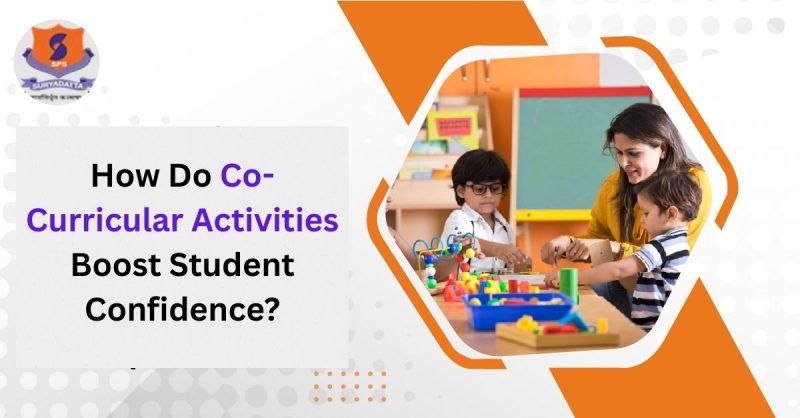
Co-curricular activities play an important role in shaping a child’s confidence. These activities go beyond classroom learning and help students develop skills that support personal and academic growth. They expose students to new experiences, challenges, and opportunities.
Confidence comes from practice, exposure, and achievement. Co-curricular activities offer all three. Whether students participate in sports, arts, debates, music, or clubs, each activity helps them discover strengths and overcome fears. As a result, students become more prepared to face real-world situations.
Skill-building foundations
Co-curricular activities help build essential skills from a young age. Students learn discipline, time management, and responsibility. Activities such as athletics, science fairs, or hobby clubs teach them how to stay committed to goals.
When students develop skills through repeated practice, they feel more capable. This boosts confidence and encourages them to set higher targets. Skill-building forms the base for success in academics, personal development, and career paths.
Communication and public speaking
Many students struggle with speaking in front of others. Co-curricular activities help overcome this barrier. Debates, theatre, group discussions, and student presentations improve communication skills naturally.
As students speak more often, stage fear reduces. They learn how to express thoughts clearly and confidently. Public speaking also teaches students to listen, respond, and communicate respectfully. These abilities become powerful tools throughout school life and beyond.
Co-Curricular Activities fostering teamwork and leadership
Teamwork is a key skill in modern education and future workplaces. Co-curricular activities allow students to work in teams and understand group dynamics. Sports teams, music bands, project groups, and community clubs teach cooperation and collective decision-making.
Leadership skills also grow through these experiences. Students take responsibility, guide peers, and learn to motivate others. Leadership roles boost their confidence and encourage them to take initiative in academics and personal life.
Build resilience and problem-solving
Success does not come without challenges. Co-curricular activities introduce students to competition, practice, and failure. These experiences teach resilience. Students learn to try again, improve, and stay focused.
Problem-solving becomes a natural part of the process. Whether they are solving a puzzle, building a project, or playing a strategic game, students learn to think critically. They analyse situations and make decisions with confidence. These qualities help them face academic and personal challenges more effectively.
Co-Curricular Activities supporting creativity and self-expression
Children need spaces where they can express themselves freely. Co-curricular activities offer that space. Art, dance, drama, music, and creative writing help students explore imagination and emotion.
When students showcase their creativity, they gain confidence in their abilities. Creative expression also improves mental well-being and reduces stress. Students begin to understand their identity, preferences, and strengths. This sense of self contributes to long-term confidence.
Academic engagement and motivation
Co-curricular activities often improve academic performance. When students feel motivated and active, they concentrate better in class. Activities such as science clubs, quiz competitions, or coding groups strengthen understanding of classroom subjects.
Participation also builds discipline. Students learn to balance studies with activities. This balance improves focus and creates a positive attitude toward learning. Engaged students feel more confident and enjoy their educational journey more.
Promoting social skills and peer confidence
Social interaction is essential for building confidence. Co-curricular activities encourage students to collaborate, communicate, and form bonds with peers. Group activities improve social skills and help children feel included.
Students learn how to handle feedback, respect differences, and solve conflicts. These interactions strengthen emotional intelligence. When students feel supported by peers, their confidence naturally increases. They develop the ability to interact comfortably in social and academic settings.
Best public schools in Pune to explore Co-Curriculars
Public schools in Pune offer structured programs that support co-curricular learning. These schools provide sports, arts, cultural activities, clubs, and leadership opportunities. Their programs help students develop life skills that go beyond academics.
Parents can explore schools that provide balanced development and holistic learning experiences. Many public schools in Pune integrate modern teaching methods with co-curricular exposure. This creates a strong foundation for confidence and overall growth.
Suryadatta Public School, one of the Best Public Schools in Pune arranges Co-Curricular Activities such as Educational Field Trips, Industrial Visits, Real-life Projects, Regular Seminars & Guest Lectures for students.
Conclusion
Co-curricular activities are an essential part of student development. They strengthen communication, leadership, creativity, and resilience. Students gain confidence through participation, teamwork, and exposure to new experiences.
These activities support academic engagement, emotional growth, and social skills. When students feel confident, they perform better in every area of life. Co-curricular programs shape well-rounded individuals who are ready for challenges and opportunities. A balanced combination of academics and activities helps children grow into capable, confident learners.